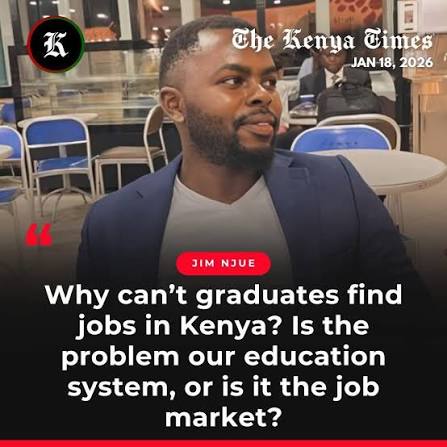
For many years, Kenyan society has promoted one simple formula for success: go to school, get a degree, find a good job, and your future will be secure.
Unfortunately, the reality for many graduates is different.
Thousands of educated Kenyans work hard every day, yet they still find it difficult to build wealth. Many earn modest salaries that barely cover rent, transport, food, school fees, and loan repayments. By the end of the month, there’s often little or nothing left to save or invest.
So why does this happen?
The Salary Trap
Imagine earning a monthly salary that looks decent on paper. After taxes, statutory deductions, loan repayments, rent, transport, groceries, and family responsibilities, your disposable income can shrink dramatically.
When unexpected expenses arise, many people turn to salary advances or short-term loans, creating a cycle that’s difficult to escape.
This isn’t because people are lazy. It’s because earning an income is not the same as building wealth.
Income vs. Wealth
A paycheck pays today’s bills.
Assets build tomorrow’s wealth.
Financially successful people usually own something that continues generating income, such as:
- A profitable business
- Rental property
- Investments
- Intellectual property
- Digital products
- Agricultural ventures
The difference isn’t necessarily education—it is ownership.
Is a Degree Enough?
Education is valuable. Degrees open doors, provide knowledge, and create career opportunities.
However, a degree alone is not a financial plan.
Many graduates become so focused on securing employment that they never explore entrepreneurship, investing, or developing additional income streams.
Employment is honorable, but it should not always be the final destination. For many people, it can become the foundation for building something greater.
The Mindset Challenge
One of the biggest obstacles isn’t lack of education—it’s how we think about work.
Many people hesitate to start small businesses because they worry about how others will perceive them.
Some would rather:
- Wait years searching for the “perfect” job.
- Turn down small business opportunities because they seem less prestigious.
- Depend entirely on one salary instead of creating multiple income streams.
Meanwhile, successful entrepreneurs often begin with humble ventures that gradually grow into thriving businesses.
There Is Dignity in Starting Small
Across Kenya, you’ll find people without university degrees running successful businesses.
A small food kiosk.
A poultry business.
A vegetable stand.
A cyber café.
A barber shop.
An online store.
These businesses may appear modest, but many generate incomes that rival or exceed formal employment.
The lesson isn’t that education is useless.
The lesson is that business rewards problem-solving, consistency, customer service, and persistence—not certificates alone.
A Simple Example
Consider a small food vendor operating near a busy school or college.
If they serve dozens of customers every day while managing costs effectively, the business can generate a healthy monthly profit.
That income doesn’t depend on waiting for payday.
It depends on serving customers every day.
Over time, the owner can expand, hire employees, open another branch, or invest profits into other ventures.
Stop Waiting—Start Creating
Instead of asking:
“Who will employ me?”
Ask:
- What problem can I solve?
- What skill can I monetize?
- What product can I sell?
- What service do people already need?
- How can I create another source of income?
These questions can change your financial future.
Education Should Empower You
A degree should never limit your thinking.
Instead, it should equip you with the confidence to innovate, create jobs, solve problems, and contribute to Kenya’s economy.
Whether you become an employee, entrepreneur, investor, or all three, the goal should be financial independence—not just surviving from one payday to the next.
Final Thoughts
Financial success is rarely determined by a certificate hanging on the wall.
It is shaped by mindset, discipline, continuous learning, smart financial decisions, and the willingness to seize opportunities—even when they don’t look glamorous.
There is absolutely nothing wrong with being employed. In fact, many successful entrepreneurs started as employees. The key is to avoid relying on a single source of income for your entire life.
Invest in yourself. Learn new skills. Start small if necessary. Build assets. Think beyond the next paycheck.
Your degree is a tool—not your destination.
What are your thoughts? Do you believe our education system prepares young people for financial success, or should entrepreneurship and financial literacy receive greater emphasis? Share your opinion in the comments below.